
Have you ever considered what crucial questions you need to ask when hiring a mini split installer in Los Angeles? When thinking about ensuring year-round comfort in your home or business, understanding what to ask your installer is essential. Whether you’re a homeowner or managing commercial properties, the installation of a mini-split system can be a significant investment. The right set of questions can lead you to a more informed decision, ensuring reliability and professional service. Let’s embark on understanding the critical aspects of mini-split installations.
Get Your Free Air Conditioning HVAC Estimate Now!
What is a Mini Split System?
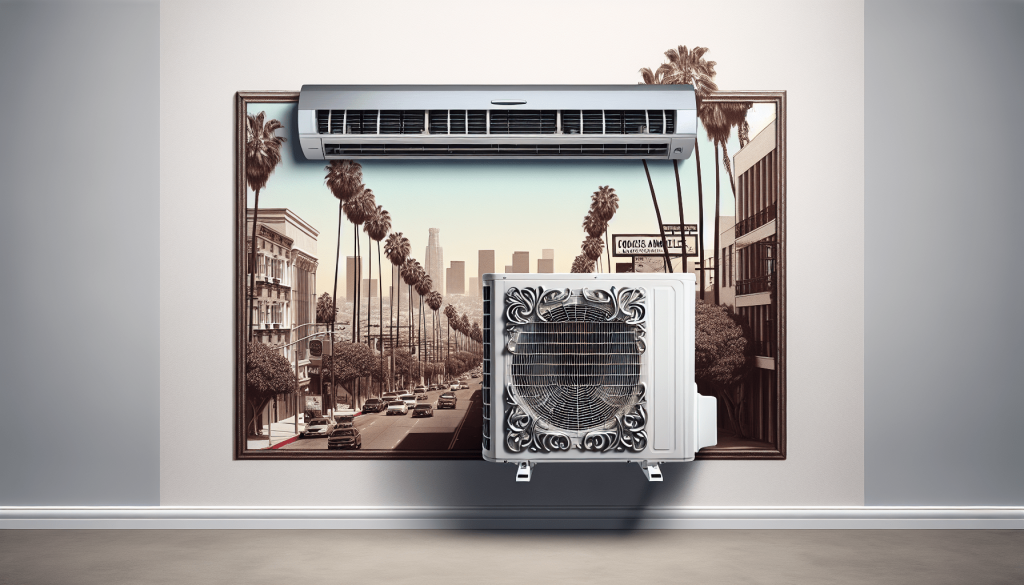
A mini split system offers a sleek, efficient solution to heating and cooling various zones in your space without requiring ductwork. These systems are especially popular in Los Angeles, where energy efficiency is highly valued due to fluctuating weather conditions.
How Does a Mini Split System Work?
Understanding the workings of a mini split system is essential. It includes an outdoor unit and one or more indoor units connected by a conduit. This conduit houses the power cable, refrigerant tubing, suction tubing, and a condensate drain, offering a less invasive installation compared to traditional HVAC systems.
Advantages of Mini Split Systems
There are numerous benefits to installing a mini split system. They are energy efficient, provide precise temperature control, and operate quietly, making them ideal for various settings in Los Angeles. Additionally, they offer flexible solutions for room additions or spaces not conveniently connected to central heating and cooling systems.
Why Hire a Professional Installer?
While it might be tempting to consider DIY options, hiring a professional installer ensures that your mini split system is installed correctly, which is crucial for optimal performance and longevity.
Expertise and Experience
Professional installers bring years of experience and technical know-how. In Los Angeles, a certified installer, like those from TES Heating & Cooling, understands the local climate and regulatory requirements, making them well-equipped to handle your installation needs.
Safety and Compliance
A qualified installer ensures your system complies with the local codes and regulations. Safety is paramount, and professionals are trained to handle the installation safely, minimizing risks of injury or damage to your property.

Click for Complimentary Free Air Conditioning HVAC Quote!
Key Questions to Ask
1. What Brands Do You Install?
Knowing the brands an installer works with can give you insight into their quality standards. Reputable brands often come with reliability and warranty, ensuring long-term satisfaction with your system.
2. Are You Licensed and Insured?
Always verify that your installer is licensed and insured. This protects you from any liabilities during the installation process and ensures that the installer has met certain industry standards.
3. What is the Estimated Installation Time?
Understanding the timeline for installation can help you plan accordingly. A professional installer should provide a realistic estimate and ensure minimal disruption to your daily routine.
4. Do You Provide a Warranty or Guarantee?
Inquire about any warranties or guarantees offered. This not only covers you in the event of a malfunction but also demonstrates the installer’s confidence in their workmanship.
5. Can You Provide References?
References from previous clients can offer valuable insight into the installers’ reliability and professionalism. Happy clients are typically a good indicator of quality service.
6. What Maintenance Services Do You Offer?
Understanding the maintenance services provided can help you keep your system running efficiently. Regular maintenance can prevent unexpected issues and prolong the life of your mini split system.
Specific Considerations for Los Angeles
Climate Factors
Los Angeles has a unique climate with hot summers and mild winters. It’s essential to choose an installer who understands these conditions and can recommend a system tailored to efficiently handle local weather patterns.
Energy Efficiency Trends
Energy efficiency is a priority for many in Los Angeles. Ensure that the mini split system installed complies with the latest energy codes and standards, potentially saving you money on your utility bills.
Installation Process Overview
To give you an idea of what to expect, let’s look at a high-level overview of the installation process.
| Step | Description |
|---|---|
| Assessment | The installer evaluates your space and heating/cooling needs. |
| Recommendation | A system is recommended based on your specific requirements. |
| Installation | The outdoor unit is installed first, followed by the indoor units. |
| Testing | The system is tested to ensure it operates correctly. |
| Client Walkthrough | The installer takes you through the operation and maintenance tips. |
Conclusion
Embarking on the journey to install a mini split system in Los Angeles requires thoughtful consideration and the right questions. By being informed and prepared, you ensure a seamless installation process leading to comfort and efficiency in your indoor environment. Good luck in enhancing your space, and remember, a great installer will always prioritize your comfort and peace of mind as TES Heating & Cooling does. If you’re ready to start, connect with a trusted professional today and take the first step towards year-round comfort.