
Have you ever wondered how you can stay comfortable in the scorching Los Angeles heat without breaking the bank? If so, you’re probably not alone. Many Los Angeles residents are finding that mini split systems offer an ideal solution for year-round comfort, thanks to their efficiency and versatility. Whether you’re looking to cool down your home during those hot summer months or simply want a cost-effective way to maintain a comfortable indoor climate, mini split systems might just be the answer.
Get Your Free Air Conditioning HVAC Estimate Now!
What is a Mini Split System?
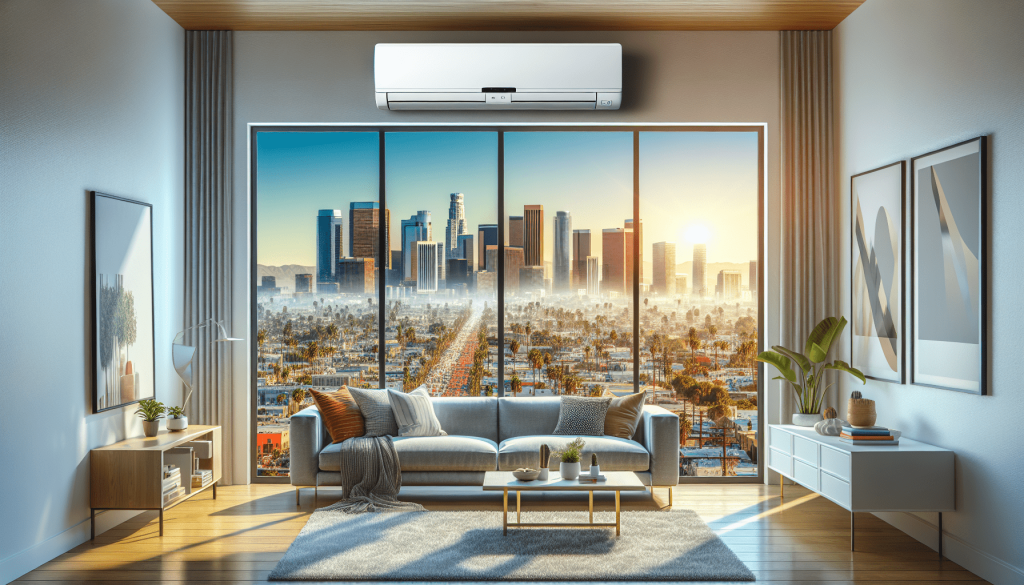
You might be curious about what exactly a mini split system is and how it works. Essentially, a mini split system, often referred to as a ductless system, is a type of heating and cooling solution that operates without the need for extensive ductwork. This makes them particularly suitable for homes or buildings where installing or extending ducts is either impossible or inconvenient.
How Does a Mini Split System Work?
Understanding how a mini split system functions is key to appreciating its benefits. Comprised of two main components—an indoor air-handling unit and an outdoor compressor—the system connects these parts through a conduit that houses the power cable, refrigerant tubing, suction tubing, and a condensate drain. The setup allows you to control the temperature in individual rooms, enhancing comfort while reducing energy wastage.
Benefits of Mini Split Systems in Los Angeles
Why should Los Angeles residents consider mini split systems? Simply put, these systems provide a blend of flexibility, efficiency, and convenience suitable for the city’s diverse climate and distinctive architecture.
Energy Efficiency
One of the significant advantages of mini split systems is their energy efficiency. Unlike traditional HVAC systems, mini splits allow you to control the temperature in separate rooms independently. This means you can heat or cool only occupied spaces, leading to substantial energy savings.
Versatility and Aesthetics
With no need for ductwork, mini split systems can be installed almost anywhere, from single-family homes to commercial buildings. They’re available in a variety of styles to suit your aesthetic preferences, from sleek wall-mounted units to concealed ceiling cassettes.
Ease of Installation
For those concerned about complex installation processes, mini splits might be your ideal choice. Their installation is less invasive than full HVAC systems, making them a logistical dream in urban areas with stringent building codes.

Click for Complimentary Free Air Conditioning HVAC Quote!
Choosing the Right Mini Split System
Are you ready to select a mini split system but uncertain about the factors you should consider? Several elements deserve your attention to ensure the system meets your needs.
Capacity and Size
Selecting the appropriate capacity and size for your mini split system is crucial. An undersized unit won’t efficiently control the temperature, while an oversized one will cycle on and off, wasting energy. To get the right fit, consider factors like room size, the number of windows, insulation quality, and people using the space at any given time.
Number of Zones
With mini split systems, you have the flexibility to tailor the number of zones to suit your needs. A ‘zone’ refers to an area where you want individualized temperature control. More zones offer greater flexibility but also entail higher costs.
Brand and Model
The market offers numerous brands, with each promising varying levels of reliability, durability, and efficiency. Brands like LG, Mitsubishi, and Daikin are respected for their quality and service, but it’s wise to read customer reviews and consult with HVAC experts before making a decision.
Step-by-Step Installation Guide
Wondering how the installation process unfolds? Here’s a detailed guide to help you through it. Although you might consider a DIY project, hiring professionals is usually advisable to ensure your system operates efficiently for years to come.
Step 1: Site Evaluation
Before any installation begins, professionals will evaluate your site to determine the best placements for both indoor and outdoor units. They’ll examine factors like wall strength, potential obstacles, and proximity to power sources.
Step 2: Mounting the Indoor Unit
After selecting ideal locations, the next step is mounting the indoor unit. Typically, it’s installed high on a wall to facilitate optimal air circulation. Technicians will drill a hole for the conduit, usually around three inches in diameter, making sure it has a slight downward slope to ensure drainage.
Step 3: Installing the Outdoor Unit
Next, the outdoor unit needs to be placed on a stable surface. It’s often installed on a concrete pad or a bracket mounted on your wall. The outdoor unit should have at least 12 to 24 inches of clearance around it for efficient air intake and discharge.
Step 4: Connecting the Components
Once both units are in place, the next crucial step is connecting them. The technician will run the conduit through the drilled hole, connecting the power cable and refrigerant tubing. Proper sealing of the hole prevents air leaks and enhances energy efficiency.
Step 5: Setting Up Electrical Wiring
Finally, the system’s electrical components need to be carefully set up by a certified electrician or an HVAC professional. Safety is paramount during this step, so all work should comply with local building codes.
Step 6: Testing and Calibration
After installation, testing and calibration follow to make sure the unit functions correctly and efficiently. Professionals will conduct several tests, checking things like thermostat accuracy, air flow, and refrigerant levels.
Maintenance Tips for Longevity
Want your mini split system to run smoothly for years to come? Regular maintenance is crucial. It’s not just about optimizing performance but also extending the lifespan of your system.
Regular Cleaning
Dust and debris can accumulate on both indoor and outdoor units. Regularly cleaning the filters, coils, and external surfaces ensures optimal airflow and efficiency.
Seasonal Tune-Ups
Before the heat of summer or chill of winter sets in, it’s wise to book a professional tune-up. During these checks, technicians will examine your system’s components, make necessary adjustments, and replenish refrigerant if needed.
Monitoring Efficiency
Keep an eye on your system’s performance by monitoring its energy consumption and listening for unusual sounds. Spike in energy bills without a noticeable change in usage or odd noises can signal an underlying issue needing immediate attention.
Why Consider Professional Installation?
You might think about installing a mini split system yourself, but several compelling reasons exist to engage professionals instead.
Expertise and Safety
Professionals bring a wealth of experience to the table, ensuring your system is installed correctly and adheres to local building codes. This minimizes safety risks, such as electrical issues or refrigerant leaks, that could arise from DIY attempts.
Warranty and Support
Most manufacturers’ warranties require professional installation to remain valid. Hiring experts not only maintains these warranties but also often includes additional services like emergency repairs or routine maintenance.
Cost-Effectiveness
While opting for professional installation might appear more expensive initially, it can save you money in the long run. Efficient installation can reduce energy costs and prevent costly repairs due to incorrect setup.
Conclusion
Living in Los Angeles, with its varied climate, demands careful consideration and choice of your home’s heating and cooling systems. Mini splits present a versatile, energy-efficient option tailored to the diverse needs of Los Angeles homeowners. Whether you decide to proceed with a DIY installation project or call in experts like TES Heating & Cooling, understanding the system and its benefits will ensure you make the best decision for your comfort and pocket.
If you’re ready to enhance your home’s comfort with a mini split system, TES Heating & Cooling offers extensive expertise in HVAC installations. With a keen focus on professionalism and reliability, they’re here to guide you every step of the way. For more detailed insights or to schedule an installation, you can reach out via their website at PlayaDelRey.tes-hvac.com, email info@tes-hvac.com, or directly call 310-947-8611. Remember, choosing the right system and proper installation today leads to comfort and savings long into the future.