
Have you ever found yourself overwhelmed by the sheer number of options available when deciding on a new HVAC system for your home? It can feel a bit like being a kid in a candy store, only this time the stakes are much higher—it’s not just about choosing something tasty, but picking the right system that will effectively and efficiently heat and cool your home for years to come.
When it comes to HVAC systems, a package unit might just be what you’re looking for. They’re versatile, space-saving, and have some pretty compelling benefits. But just like any major home installation, getting the right one requires some knowledge and planning. Let’s break down everything you need to know about choosing the right package unit for your home installation.
Get Your Free Air Conditioning HVAC Estimate Now!
What is a Package Unit?
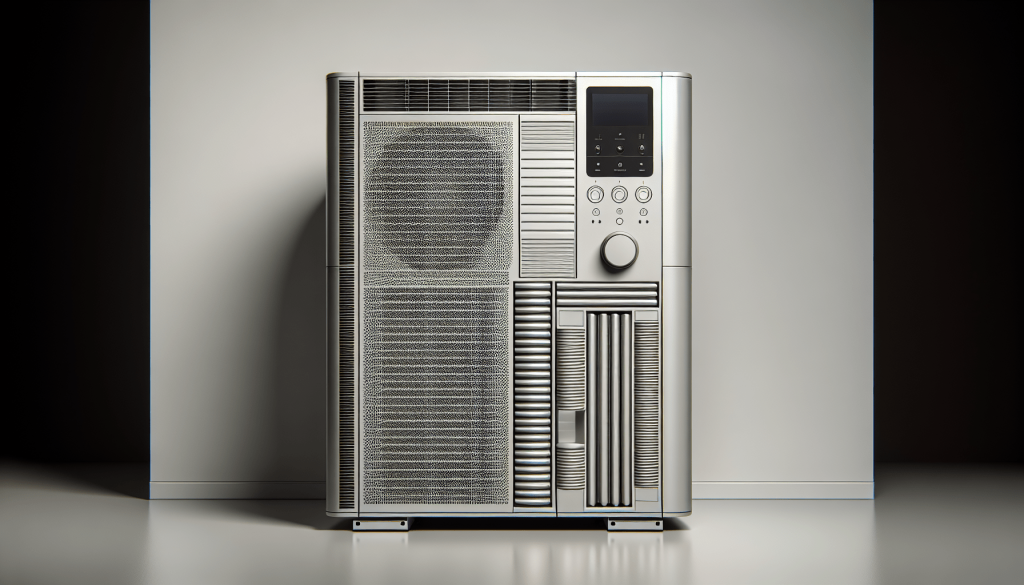
A package unit is a type of HVAC system where all components are housed within a single unit. Unlike split systems that have separate indoor and outdoor components, package units are self-contained. Most often installed on rooftops or along the side of your home, they are particularly useful in situations where indoor space is limited or when you’re looking for an efficient, all-in-one heating and cooling solution.
Types of Package Units
Understanding the various types of package units will help you better match a system to your specific needs. Let’s cover the main categories:
-
Packaged Air Conditioners: These systems combine an air conditioner, a fan or blower, and the necessary evaporator and condenser coils into one efficient unit. They provide cooling and are a common choice for homes in warmer climates.
-
Packaged Heat Pumps: Much like a split system heat pump, a packaged heat pump can both heat and cool your home. These units are energy-efficient and provide great year-round climate control.
-
Packaged Gas/Electric Systems: These systems incorporate both elements of a gas furnace and an electric air conditioner to deliver high efficiency. In cooler months, the gas-powered furnace provides warmth, while the electric air conditioning unit cools your home during the hotter months.
-
Packaged Dual-Fuel Systems: Combining a heat pump with a gas furnace, these systems automatically switch between gas and electricity depending on which is more efficient at any given time. This makes them a flexible option for climates that see wide temperature fluctuations.
Benefits of Choosing a Package Unit
Deciding on a package unit can come with several advantages. Here’s a look at a few reasons why these systems might be a great fit for your home:
-
Space Efficiency: Because all of the system’s components are housed in a single unit outdoors, valuable indoor space is conserved. This can be particularly beneficial for homes with limited storage or utility space.
-
Ease of Maintenance: With everything contained in one unit, servicing and maintenance can be more streamlined. Your technician can do all necessary work in a single location, which can potentially reduce labor costs.
-
Installation Flexibility: Typically installed on rooftops or the ground-level on the side of a home, package units offer a degree of flexibility in where they can be placed. This can be especially helpful when exterior space is a consideration.
-
Energy Efficiency: Modern package units are designed with energy efficiency in mind, helping you reduce utility bills and the environmental footprint of your home.
Considerations When Choosing a Package Unit
Not all package units will be suitable for your home and lifestyle. Here’s what to keep in mind:
Climate
Where you live is one of the biggest factors in selecting the right package unit. For example, if you live in a region where winters are mild and summers get quite hot, a packaged air conditioning unit or heat pump might suffice. Meanwhile, for areas with more extreme winters, a packaged gas/electric system can provide the reliable warmth you might need.
Home Size and Layout
The size of your home will influence the unit’s capacity requirements. Proper sizing of an HVAC system is crucial for efficiency and performance. An undersized system won’t adequately heat or cool your home, while an oversized unit may cycle on and off too frequently, reducing efficiency and comfort.
Budget
While package units can save money in the long term due to reduced installation costs and increased energy efficiency, the initial cost can vary based on the type of unit you choose. It is key to balance upfront costs against long-term savings and performance.
Energy Efficiency Ratings
Look for units with high SEER (Seasonal Energy Efficiency Ratio) and HSPF (Heating Seasonal Performance Factor) ratings, as these numbers indicate higher efficiency. High efficiency can lead to reduced operational costs and a smaller environmental impact over time.
Quality and Brand Reliability
Not all units are created equal. Opt for a unit from a reputable brand known for quality and reliability. This choice ensures that your unit stands the test of time and that you can more easily find parts and service technicians familiar with the product.
Noise Levels
While package units tend to be installed outside, it’s still vital to be aware of noise levels. Some units operate more quietly than others, which can be an important factor if the unit will be placed near frequently used outdoor areas.

Click for Complimentary Free Air Conditioning HVAC Quote!
Getting a Professional Assessment
Why You Need a Professional
Enlisting a professional for a home assessment has several key benefits. They have the requisite knowledge to evaluate your home’s heating and cooling needs and can recommend units that will work best. They’ll also be able to provide you with a more precise cost estimate based on your specific installation requirements.
What a Professional Assessment Involves
During an assessment, a technician from TES Heating & Cooling or similar service will examine:
- Insulation Levels: Understanding your home’s insulation will help in determining the heat retention and the system size relative to needs.
- Windows and Doors: Any drafts or poorly sealed windows and doors can impact your home’s cooling and heating load.
- Current HVAC System: If you have an existing system, they may evaluate its efficiency and end-of-life to recommend whether replacement or supplementation is best.
- Ductwork: An assessment might include examining your home’s ductwork. Any leaks or inefficiencies will need addressing to fully benefit from a new package unit.
Installation and Maintenance of Your Package Unit
Once you’ve selected your package unit, installation is the next step. Installing a package unit involves positioning the unit, connecting it to existing ductwork, electrical supply, and ensuring all refrigerant lines are properly installed.
Why Professional Installation Matters
Hiring a professional for installation, like the experts at TES Heating & Cooling, is crucial for several reasons:
- Safety: Incorrect installation can lead to gas leaks, electrical issues, and other hazards.
- Efficiency: A professionally installed system ensures seamless performance and long-term reliability.
- Warranty Protection: Many manufacturers require professional installation to honor warranty claims.
Routine Maintenance Tips
For your system to last longer and perform better, routine maintenance is key. Here are some steps you should consider for keeping your unit in top condition:
- Regular Filter Changes: Dirty filters restrict airflow, reducing efficiency. Check monthly and replace as needed.
- Seasonal Inspections: Have your system checked by a professional twice a year, ideally before the heating and cooling seasons begin.
- Clearing Debris: Make sure the area around the outdoor unit is clear of vegetation, debris, and other obstructions.
- Checking Thermostat Settings: Ensure your thermostat is functioning correctly and maintaining your preferred settings.
Finding the Right Professional
When ready to proceed with installation and maintenance, finding the right professional means choosing someone who is licensed, comes with great reviews or is recommended by people you trust. Services like TES Heating & Cooling are known for customer satisfaction and their thorough understanding of HVAC systems.
Conclusion
Choosing the right package unit for your home installation doesn’t have to be daunting. By understanding the types available, recognizing your specific home needs, and consulting with professionals, you can make an informed decision that keeps your home comfortable all year round. Remember, it’s all about doing a little homework, knowing your priorities, and having the right team by your side to ensure a smooth installation and long-term efficiency.